Unveiling Desi Narratives: A Journey Through Indian Folklore and Epic Tales
When we think of storytelling, we often picture a cozy evening with a good book in hand, the flickering warmth of a fire, and the laughter of family echoing through the walls. Yet, storytelling transcends time and space, especially in the rich tapestry of Indian folklore. From the elaborate fables of the Panchatantra to the heartfelt tales of regional heroes, each story weaves a piece of history and a wealth of cultural narratives that resonate with audiences across generations. Essentially, when we delve into desikahani, or traditional stories, we engage with the essence of what it means to share experiences that shape our identity.
The beauty of Indian folklore lies not only in its variety but also in its depth. Did you know that one story could have multiple versions, depending on the region or community telling it? This regional variation showcases the local folklore's adaptability and reflects the societal values of its tellers. For instance, the legendary tales of Krishna are told differently in the north compared to the south of India, each version emphasizing distinct moral lessons and cultural values. Such fables remind us that though stories may differ, the core truths they convey about humanity remain timeless and universal.
As we embark on this journey through folklore, let's not forget the powerful lessons embedded within these narratives. Storytelling in Indian heritage stories often serves to teach virtues like honesty, bravery, and compassion. The tale of King Harishchandra, who stood unwavering in his quest for truth even at great personal loss, is a vivid reminder of the importance of integrity. Such classical literature not only entertains but also educates, raising intriguing questions about our own moral compass and choices in life. How can tales from India inspire us to navigate our modern, complex lives?
Moreover, oral traditions play a significant role in preserving these fables and epic tales. Passed down through generations, they serve as a bridge connecting us to our ancestors, granting us insight into their values and struggles. As we listen to these stories around campfires or during family gatherings, we partake in a narrative art that deepens our appreciation for our heritage. Isn't it fascinating how a simple story can evoke such strong emotions and insights? Each tale encourages us to reflect on our experiences and challenges, creating a bond between the past and present.
In closing, these customary stories are not just relics of a bygone era; they are alive and continuously evolving. By exploring and sharing Indian folklore, we embrace a vital part of our cultural identity while also gaining valuable life lessons. So, the next time you find yourself longing for connection, remember the power of storytelling. Whether it's a fable that resonates deeply with your spirit or an epic tale that captivates your imagination, these desi narratives allow us to explore not just our past but also the possibilities of our future. What stories will you share today?
From Myths to Fables: The Art of Desi Storytelling and Cultural Heritage
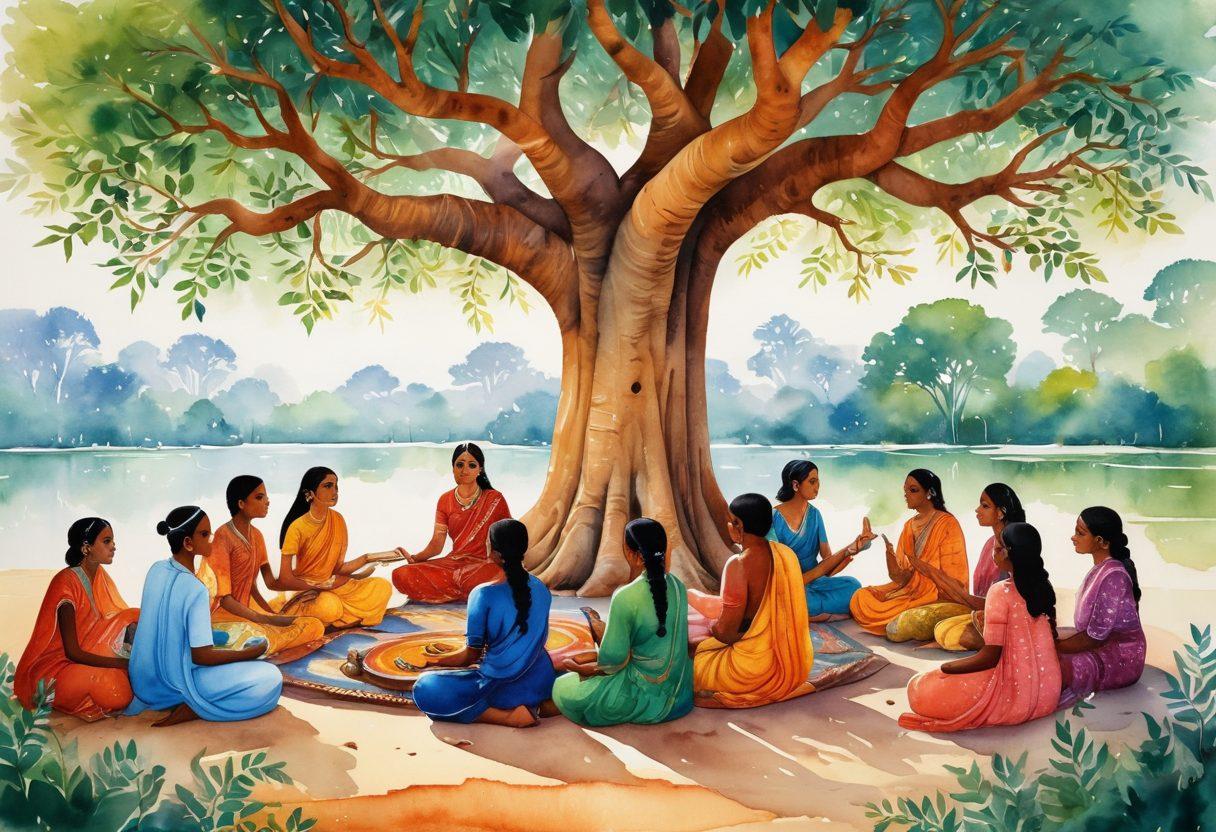
In the vast tapestry of Indian culture, storytelling stands out as a powerful thread, weaving together the rich and complex narratives that define our heritage. From grand epic tales of heroes and gods to enchanting fables that teach moral lessons, Indian folklore has a way of captivating hearts and minds across generations. Whether it’s sitting around a warm fire on a chilly night or gathering under the shade of a tree during a summer afternoon, the art of storytelling has been a cherished tradition in every corner of India. Have you experienced the enthralling magic of a desikahani, or are you merely an observer in this vibrant legacy?
What makes Indian folklore so extraordinary is its ability to transcend time and space. Each region boasts its own collection of traditional stories, reflecting its unique culture, customs, and beliefs. Regional tales offer a glimpse into the lives of the people and their struggles, often wrapped in the fantastical. Have you ever found yourself engrossed in a legendary tale from your childhood that immediately transports you back to your roots? In every narrative art, there’s a piece of history and a lesson hidden between the lines, inviting us to explore our identities further.
Mythology, interwoven with epic tales, serves as a cornerstone of our cultural narratives. Each character, whether divine or mortal, reveals lessons about virtue, courage, and the human experience—resonating with the fables passed down through generations. As we delve into these classical literature pieces, we invite questions that challenge our understanding of morality and ethics. How many of us recognize the influence of these historical tales in our day-to-day lives? Our decisions and beliefs echo the choices made by those legendary figures long ago.
But how do these tales remain relevant in an era dominated by technology and rapid change? The answer lies in the power of oral traditions, where voice and emotion bring life to the stories. Imagine a grandparent sharing tales from India, their eyes sparkling with nostalgia, as they recount heroic adventures or cautionary lessons. Such customary stories foster connection, reminding us of our shared human experiences. How often do we pause to appreciate the vibrancy of local folklore?
Storytelling is not merely an art; it’s a cultural lifeline that binds the fabric of society. As we share our own interpretations and variations—be it through theater, literature, or even modern art—we breathe new life into these historical narratives. So, let's embrace the desi narratives that shape our perceptions and inspire our creativity. What fable will you share next, and how will it ignite the imagination in others? As we journey through the boundless world of Indian folklore, we affirm that every tale told is a celebration of our shared identity, heritage, and hopes for the future.
Legendary Tales That Shaped Our Identity: A Deep Dive into Indian Epic Narratives
Indian folklore holds a treasure trove of storytelling that resonates deeply within the hearts of many. The legendary tales that have been passed down through generations shape our identity, spark our imagination, and connect us to our roots. As we delve into epic narratives from various regions of India, we uncover the essence of what makes these tales so special. Have you ever wondered how stories can define a culture or influence our values? Through this exploration of desikahani, we aim to uncover the magic embedded within traditional stories that have become intricate threads in the fabric of our society.
At the heart of Indian folklore lies its rich history of oral traditions. For centuries, grandmothers would gather children around the fire, recounting tales of heroes, gods, and mythical creatures. These fables, often woven with moral lessons, encourage us to reflect on our everyday choices. As you listen to these customary stories, whether about brave warriors like Arjuna from the Mahabharata or enchanting figures like Radha and Krishna, do you ever feel the same spark of excitement this storytelling evoked in the hearts of those who came before us? The passion for storytelling creates an unbroken chain connecting generations with shared cultural narratives.
Each region in India boasts its unique collection of regional tales, filled with local folklore that offers a window into the community’s triumphs, struggles, and sacred beliefs. These heritage stories not only entertain but also educate us about our history and traditions. From the intricate tales of Punjab’s valiant Shahid Mangal and Birsa Munda’s resilience in Jharkhand, these legendary tales reveal a universe where every character embodies a lesson, urging us to explore our values and principles. Can you think of a folk narrative that has influenced your perspective on life or shaped the way you view your heritage?
As we plunge deeper into the world of mythical legends, we encounter a diverse array of epic tales that represent India’s multifaceted culture. These narratives reveal the philosophical underpinnings of our civilization, allowing each individual to find their reflection within the original and transformative stories told over the ages. The beauty of Indian mythology lies in its intricacy—the characters often navigate trials that echo our own human experiences. Just as the Ramayana illustrates the value of dharma, can you identify which epic tale resonates with your personal journey and ambitions?
Ultimately, the power of storytelling thrives in how it evolves, blending the past with the present while capturing the collective imagination of society. Whether shared among friends, in classrooms, or through art forms like dance and theater, these folklore narratives serve to honor our roots while also indicating a path forward. By engaging with these historical tales, we embrace our identity and appreciate the vibrant tapestry of cultures across India. So the next time you come across a legendary tale or folk narrative, take a moment to reflect: What stories do we carry within us, and how can we honor and share them in our own lives?